Simply Blessed Camo SVG, Christian SVG
A Design That Balances Faith and Function
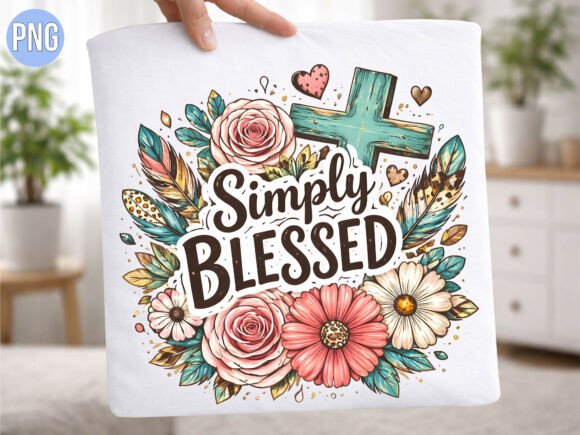
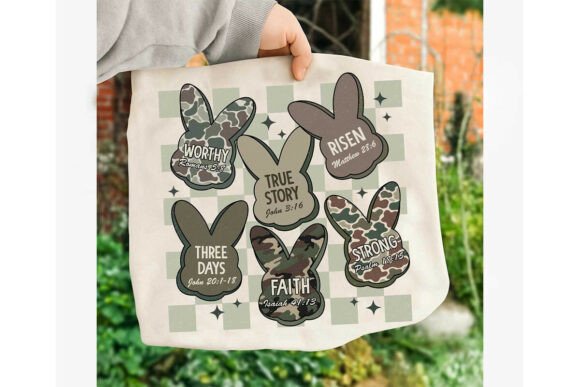
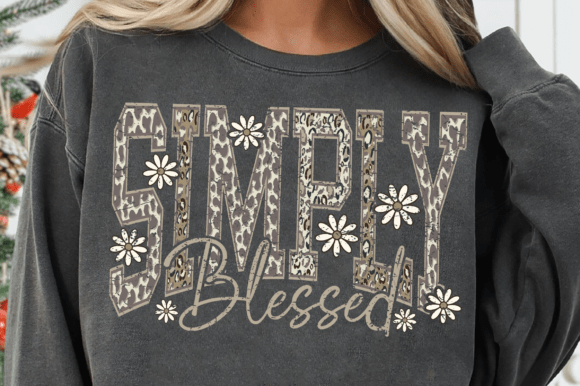
As someone who’s stitched hundreds of faith-based designs onto everything from baby onesies to boutique aprons, my first glance at Simply Blessed Camo SVG, Christian SVG landed with quiet recognition—not hype, but resonance. It’s not flashy. It doesn’t shout. Instead, it leans into a grounded, approachable sincerity: soft camo texture beneath clean, rounded lettering and a subtle cross motif. The camo isn’t aggressive or tactical—it reads as earthy, warm, and quietly confident. That matters. Because when you’re embroidering for real people—parents ordering nursery pillows, church volunteers making event tote bags, or Etsy sellers curating a “faith meets everyday life” collection—the design has to feel authentic *before* it even hits the hoop.
How It Lives on Real Fabric
I tested Simply Blessed Camo SVG, Christian SVG on a midweight cotton twill tote bag and a 70% cotton/30% polyester crewneck sweatshirt—two of the most common T-Shirt Designs-adjacent applications I see in small shop workflows. On both, the design held its shape without bleeding or puffing. The camo background uses a low-density fill stitch that breathes well, avoiding that stiff, plasticky buildup you get with over-packed fills. The lettering relies mostly on satin stitch with gentle curves—no razor-thin serifs or micro-details that vanish under thread. That’s intentional design discipline, not oversimplification.
It shines brightest on relaxed-fit apparel and home goods where intentionality matters more than ornamentation: embroidered tea towels for a pastor’s welcome gift, pillow covers for a faith-based nursery, or patches sewn onto denim jackets for youth group retreats. It also works cleanly as a small chest embroidery on baby bodysuits—provided you scale thoughtfully (more on that shortly). Customers don’t read this design as “religious decor.” They read it as *personal*, like something chosen—not assigned.
Where Caution Meets Craftsmanship
This isn’t a one-size-fits-all embroidery file. Its strength lies in restraint—but that means certain contexts demand extra attention:
- Small hoop sizes: Avoid cramming it below 3.5" wide. The camo texture loses definition, and the cross detail risks becoming indistinct.
- Textured or stretchy fabric: On fleece-lined hoodies or jersey knits, use medium-weight cutaway stabilizer—not tear-away. The camo fill needs anchor, not float.
- Dark or black fabric: Test thread contrast rigorously. White or ecru thread reads clearly; pastels can mute against charcoal. Always run a black-and-white mockup first.
- Curved surfaces: Skip it for structured caps unless you’re using a cap frame and have verified stitch alignment across the crown curve. The balanced layout doesn’t adapt easily to severe contouring.
- Frequent-wash items: Like kitchen towels or baby bibs, confirm the fill stitch density supports durability. If your machine allows, slightly increasing underlay on the camo base adds longevity without sacrificing softness.
What It Adds to Your Finished Product
Simply Blessed Camo SVG, Christian SVG elevates perceived value not through complexity, but through cohesion. It tells a quiet story: reverence without rigidity, tradition without stiffness. For an Etsy seller listing personalized sweatshirts, that translates directly to higher cart conversion—customers sense it’s been chosen with care, not dropped in from a bulk pack. For a craft fair vendor stitching custom aprons for local bakeries or coffee shops with faith-aligned missions, it reinforces brand alignment without overt proselytizing.
It also builds trust. When a customer orders a “Simply Blessed” embroidered blanket for a new mom, they’re not just buying thread and fabric—they’re investing in tone, intention, and visual harmony. That’s why I recommend pairing it with natural fiber linens, oatmeal-colored tees, or unbleached canvas toasts. The design doesn’t compete—it complements.
Practical Designer Notes You’ll Actually Use
- Always test on scrap—especially if layering over seams or pockets. Camo texture can shift subtly depending on fabric tension.
- Check thread color contrast on both light and dark fabric swatches before digitizing or sending to production.
- Review stitch density in your embroidery software. If the camo fill looks overly dense (or suspiciously sparse), adjust underlay or reduce fill angle by 5–10° for better drape.
- Confirm hoop size compatibility before prepping client files. This design fits comfortably in a 4"x4" hoop at standard scale—but verify your machine’s usable area, not just the hoop label.
- Inspect small details manually: the cross arms, the spacing between “Blessed” and “Camo,” and the curve of the “S” in “Simply.” These are where quality shows—or falters.
- Test black-and-white mockups for digital listings. Many buyers browse in grayscale mode; clarity must hold without color cues.
- Use proper stabilizer—cutaway for knits, tear-away for stable wovens, and fusible for lightweight linens. Don’t assume “medium” fits all.
- Verify licensing before selling finished items or bundling the file in digital product kits. Not all Christian SVGs include commercial rights.
Final Thought: A Design That Serves the Maker First
At its core, Simply Blessed Camo SVG, Christian SVG is a tool—not a trend. It doesn’t chase virality. It supports intention. Whether you’re stitching a single holiday gift for a friend or scaling production for a church fundraiser, it performs consistently because it was built with real-world embroidery logic: smart density, forgiving curves, and visual weight that lands softly. That’s rare. And for designers, crafters, and small shop owners who value both meaning and makeability, that’s exactly what makes it worth keeping in rotation—not just for today’s project, but for the next fifty.